

Sell Land to a Developer in Georgia
Developer Due Diligence, Land Value, and Zoning
Selling Georgia land to a developer is different from selling to a typical land buyer because the developer is usually buying a future project, not just the parcel as it sits today.
The first facts developers check are location, acreage, zoning, future land-use plans, road frontage, utilities, topography, wetlands, floodplain, and nearby development activity. A strong parcel is easy to understand against those constraints.
Development potential can vary block by block. Land near Atlanta, Savannah, Augusta, or growing suburban corridors may be attractive for a different reason than rural acreage suited for storage, timber, recreation, or long-term hold.
Before marketing to developers, gather maps, tax records, any survey, zoning information, utility notes, access details, and known restrictions. Developers still verify everything, but organized information earns faster attention.

Selling Land to Developers vs. a Direct Land Buyer
A developer may offer more than a standard land investor if the parcel fits a project. The tradeoff is that the contract may include a long due-diligence period, entitlement conditions, financing approvals, or assignment rights.
Direct land buyers usually make simpler offers because they are pricing current land risk rather than a future rezoning or buildout. That may mean a lower price but fewer moving pieces.
Neighboring owners, builders, brokers, and specialized developers can all be valid paths. Compare not only price but also deposit strength, inspection timeline, closing certainty, and whether the buyer can actually perform.
Be cautious with option agreements that tie up the land for a long time with little nonrefundable money. A developer may need time, but the seller should understand what is gained in exchange.
If the parcel requires rezoning, assemblage, sewer extension, road improvements, or environmental review, expect more contingencies. Those issues are normal, but they should be written clearly.
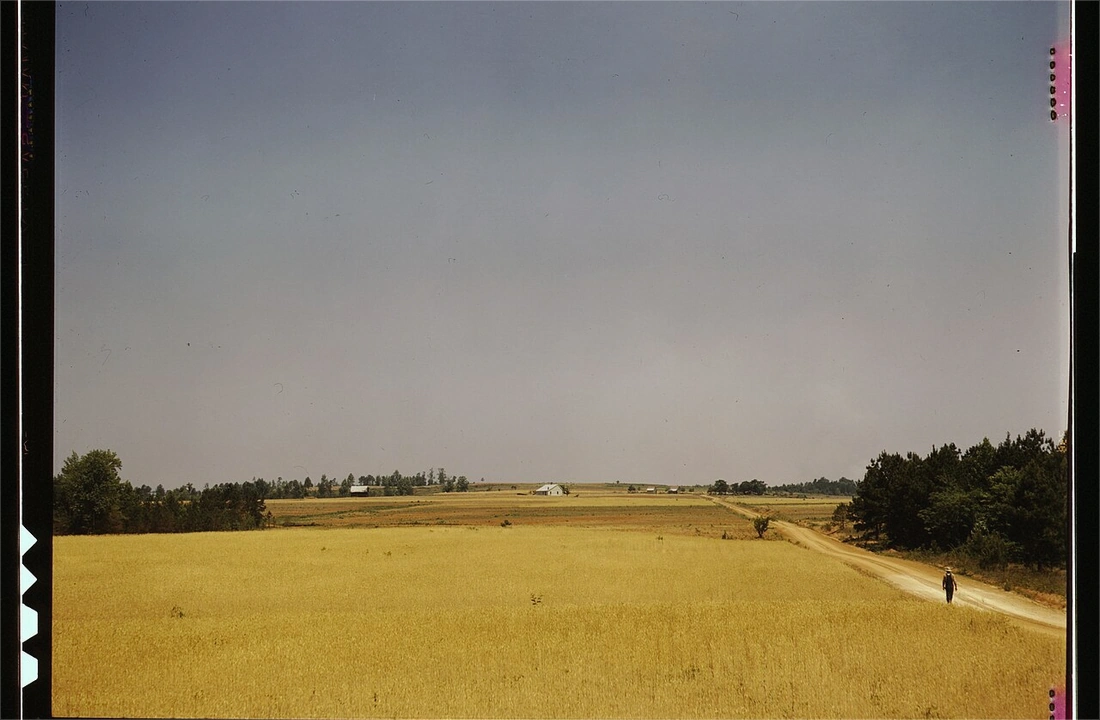
Land Sale Negotiation With a Real Estate Developer
Title review still matters. A developer will not want to spend entitlement money if ownership, access, easements, mineral rights, or old restrictions could block the project.
A survey and legal description may become more important when development is involved. Boundary gaps, encroachments, or unclear easements can change site design and buyer interest.
The closing attorney should confirm tax prorations, deed form, entity authority, and any special contract terms such as assignment, extensions, or seller cooperation with approvals.
Do not sign a complex development contract without understanding deadlines. Inspection periods, approval milestones, extension fees, and termination rights determine how much control you keep.
If the developer asks for seller financing, delayed closing, or post-closing obligations, compare that structure against a cleaner cash offer. Risk is part of price.
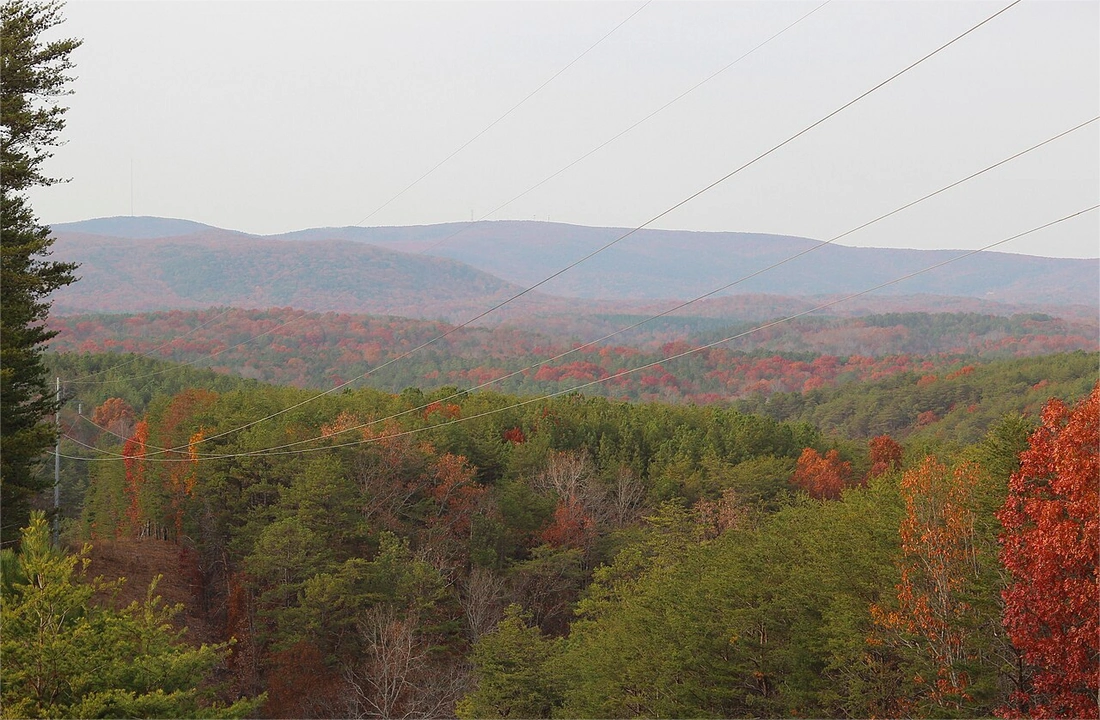
Market Value, Zoning, and Development Potential
A developer studies market value through zoning, future land use, access, utilities, topography, soil, wetlands, floodplain, and nearby demand. The landowner should know which facts support development potential before assuming a higher price.
Zone changes can add value, but they can also add time and risk. If the project depends on rezoning, sewer extension, road improvements, or an assemblage, the buyer may ask for a longer due diligence period.
Developers Often Need Longer Due Diligence
Developers often need surveys, engineering, environmental review, utility confirmations, traffic notes, site plans, and city or county feedback. That due diligence can justify a stronger price, but the contract should say how long the land is tied up and what money is nonrefundable.
A direct land buyer may not pay for future entitlements, but the sale process is usually simpler. Compare land value against certainty, deposit strength, assignment rights, extension fees, and whether the buyer can close if approvals take longer than expected.
Negotiation With a Real Estate Developer
Negotiation with a real estate developer should cover purchase price, inspection rights, closing date, title objections, seller cooperation, access for studies, and whether the buyer can assign the contract. Each item changes risk for the seller.
Commercial real estate contracts can include language that is unfamiliar to landowners. Ask a qualified adviser to review option terms, extension rights, financing contingencies, and any post-closing obligations before signing.
Selling to a Developer or Another Land Buyer
Selling to a developer can be the right move for a parcel with strong development potential, but not every tract needs that path. Rural timber, recreation, and smaller lots may be better suited to a cash land buyer who values the parcel as-is.
If you want to sell your land, ask for one offer based on current land value and another explanation of what a developer would need to verify before paying more. That side-by-side comparison makes the land sale easier to judge.
Developer Offer Review Checklist
- Developer interest is strongest when zoning, access, utilities, market value, and future land use support the project.
- Developers may ask for longer inspection periods than a direct land buyer because approvals and engineering take time.
- A real estate attorney should review option rights, assignments, extension fees, financing contingencies, and seller obligations.
- A real estate agent or real estate professional can market development potential, but the contract still controls risk.
- If you are looking to sell vacant land, ask whether the buyer prices current value or future entitled value.
- Landowners looking to sell should compare deposit strength, closing date, due diligence rights, and termination clauses.
- The process of selling to a developer may include surveys, utility studies, traffic review, environmental work, and zoning meetings.
- Do not let a high headline price hide weak earnest money, unlimited extensions, or unclear closing requirements.
Next Step to Sell Land to a Developer
The next step is to decide whether you want maximum possible upside or a simpler sale. Developers can be a good fit for high-potential land, but not every parcel needs that process.
For a direct comparison, ask for one offer based on the land as-is and another explanation of what a developer would need to verify before paying more. That makes the decision more concrete.
Want a Direct Georgia Land Offer?
Send the APN and county for a no-obligation review. We will look at the parcel facts and explain the next step.